

With the holidays approaching, SIR invites you to explore the new risks facing businesses and the vulnerabilities in security systems that criminals could exploit. The theft at the Louvre in October 2025 recently confirmed this.

Security System Flaws Exposed by the Louvre Theft
On October 19, 2025, shortly after the museum opened, four men targeted the Apollo Gallery. Two of them climbed up to a window using a vehicle equipped with a lift, forced it open, and smashed two display cases. They made off with eight pieces of the Crown Jewels, resulting in an estimated loss of 88 million euros.
The alarms on the window and display cases went off, and staff followed protocol by alerting law enforcement and getting visitors to safety. No one was injured. Appearing before the Senate in December 2025, officials leading the administrative investigation stated that an outdoor camera had recorded the criminals’ arrival and the installation of the freight elevator. The footage was not being monitored live, and by the time it was reviewed, the gallery was already empty.
SIR Reading
The system recorded everything, but it didn’t trigger the alarm until the break-in was underway, by which time the suspects’ approach had already been captured on camera. Once the alarm went off, the storefront windows didn’t hold the suspects back long enough for the police to arrive. Each piece of equipment worked properly, but the coordination between them was lacking.

It All Starts Long Before the Break-In
Criminologists break down a burglary into stages, from reconnaissance to the resale of the stolen goods. This method, known as script analysis, is used to identify the moments when the plan could have been detected or thwarted.
When applied to a business, it changes the way we view a system. The break-in and theft often take just a few minutes. Scouting the location and planning the getaway, however, take days, sometimes weeks, and leave clues—such as a vehicle returning several nights in a row or a person lingering just as the shutters are closing. A security system that monitors only the door and storefront windows misses this entire phase.
The Complete Story


Analysis
There is no typical profile

The Opportunist

The Experienced Criminal

The Specialized Team

The Fragmented Chain

Cross-Border Criminal Tactics
Switzerland shares borders with France, Italy, Germany, and Austria, and criminal networks, stolen goods, and methods move easily from one country to another. In its 2025 annual report, fedpol describes an attempted theft of luxury cars carried out by young operatives under the direction of an organization that controlled them remotely. Comparing a local incident with what is happening across the border helps identify a pattern, provided that differences in laws and statistics from one country to another are taken into account.

Crime as a Service
Europol uses this term to describe a type of crime in which each stage of a theft—from reconnaissance to resale—may be carried out by a different contractor. For a business, it then becomes difficult to spot a threat based solely on a person’s appearance. Instead, it is repetitive behaviors that should raise a red flag, such as short, frequent visits or questions about schedules and deliveries. An arrest does not always solve the problem, as the mastermind can recruit someone else and return to the same location. After an attempted theft, it is therefore worth reviewing security measures and reporting the incident to the police.

Cameras
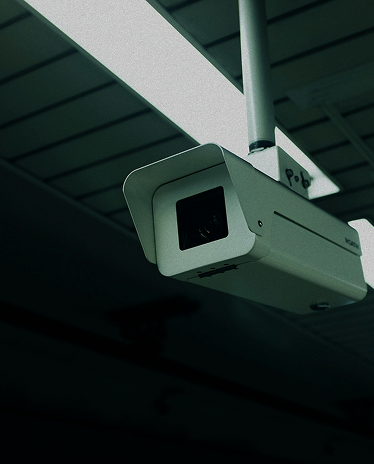
A meta-analysis of forty years of studies (Piza et al., 2019) shows that the deterrent effect of video surveillance remains modest, but that it increases when the footage is monitored in real time and linked to a response.
What You See: Visible surveillance that reassures staff and customers, and whose footage can serve as evidence in the event of an incident.
What the perpetrator is looking for: To know whether anyone is watching the live feed. A camera whose footage no one is monitoring gives the perpetrator plenty of time to act.
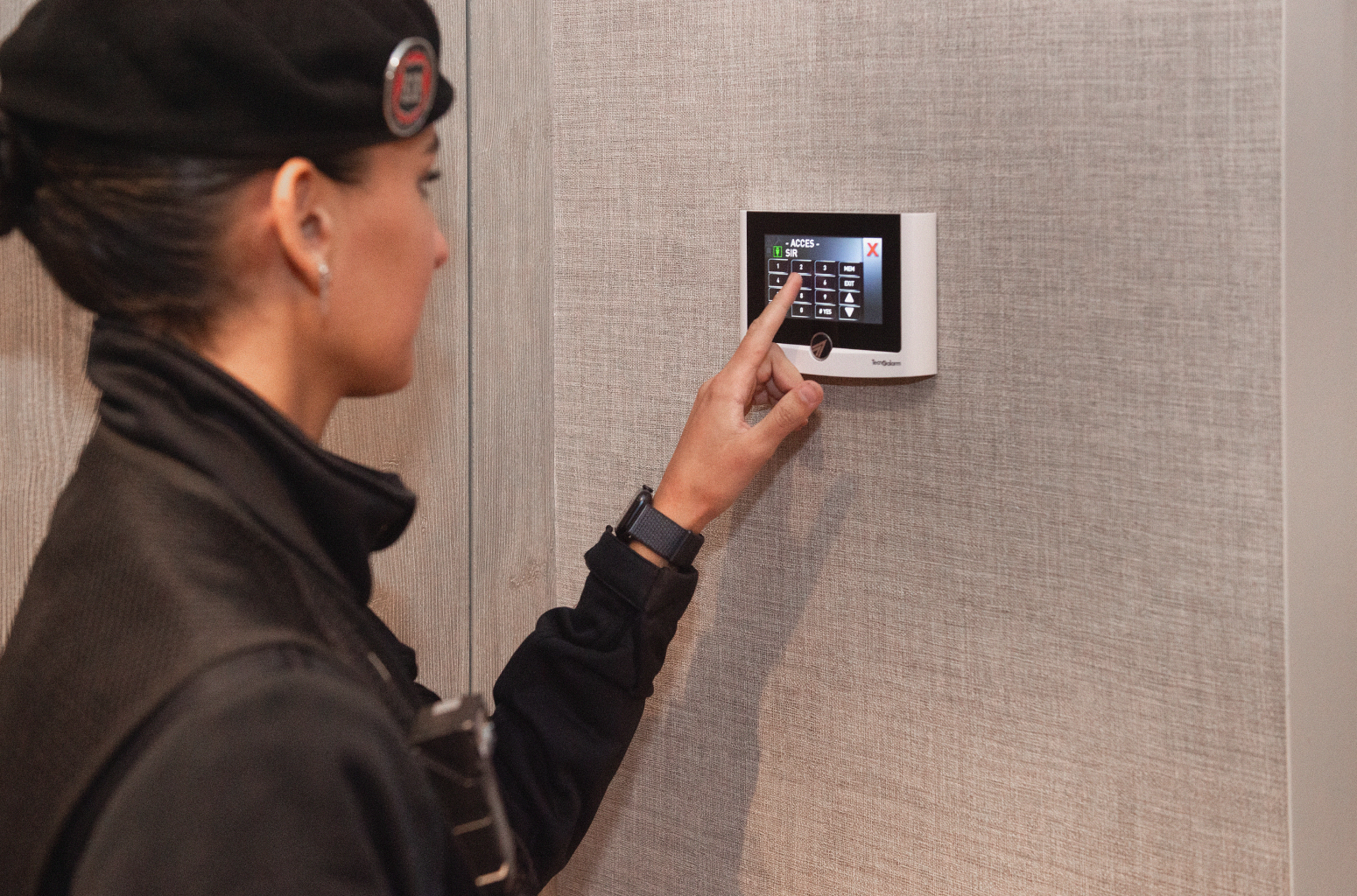
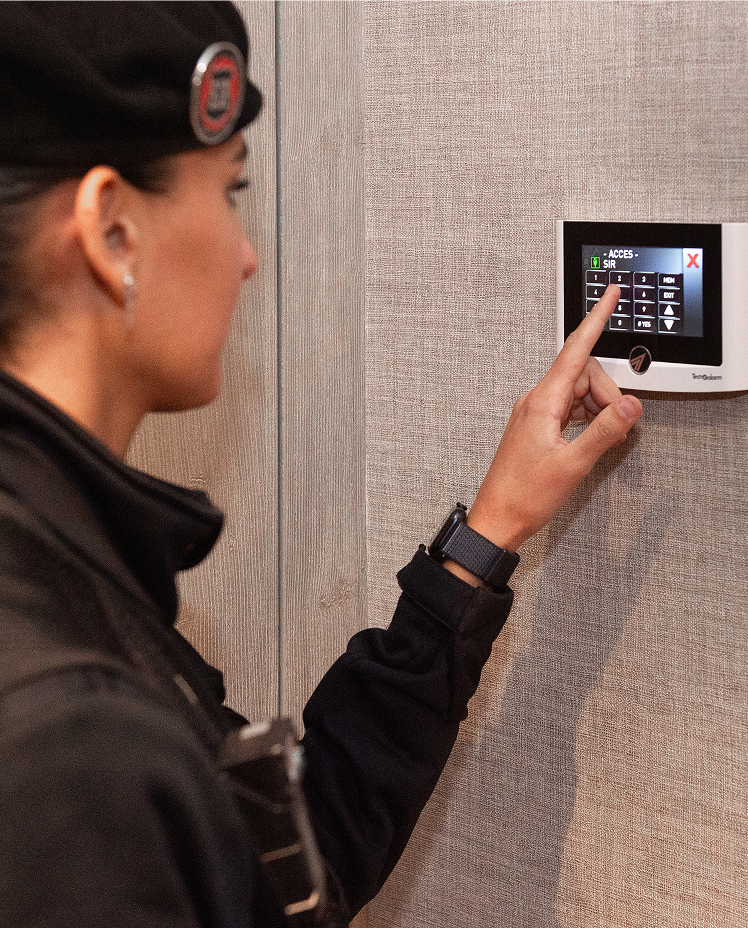
The Alarm
An alarm is only as good as what happens after it goes off—from the time the signal is verified until someone arrives on the scene.
What you see: Analarm that sounds as soon as a door or storefront window is forced open, giving the impression that an alert has been triggered.
What it’s really about: Whatthat alarm actually triggers. If no one checks it or responds for several minutes, the siren doesn’t change anything about the situation.

Display cases and safes
Their role is to delay the thief long enough to allow security to intervene. During the holidays, restocking and heavy foot traffic also increase the number of instances where items are handled outside of display cases. These situations require staff to be especially vigilant.
What You See: Robust, often certified protection that keeps the most valuable items out of reach.
What the thief is looking for: The time it takes to breach the security measures with his tools, and what he can grab before someone arrives.

Inventory
For a thief, the value of an item depends as much on how easily it can be resold as on its price. Reducing or spreading out the accessible valuables while the store is open directly reduces the appeal of a theft.
What You See: Merchandise on the shelves, displayed for customers to see and select.
What they’re looking for: Anything that can be snatched in a matter of seconds and resold without difficulty. A display case full of watches interests them more than a more expensive but bulky item.

Procedures
Opening, closing, deliveries, and lunch breaks are the times when attention tends to wane and procedures are most often bypassed. As the holidays approach, work hours get longer and teams take on temporary staff. This is a good time to make sure everyone knows the guidelines, who has access, and who is responsible for responding in case of an emergency.
What You’ll See: A written policy, familiar to the team, that outlines the procedures for opening and closing.
What he’s looking for: How they’re applied in everyday life. A schedule that never changes or a step skipped out of habit teaches him more than the rules ever could.

SIR Approach
When it comes to theft, every minute counts

Prevent

Protect

Respond









People come before property
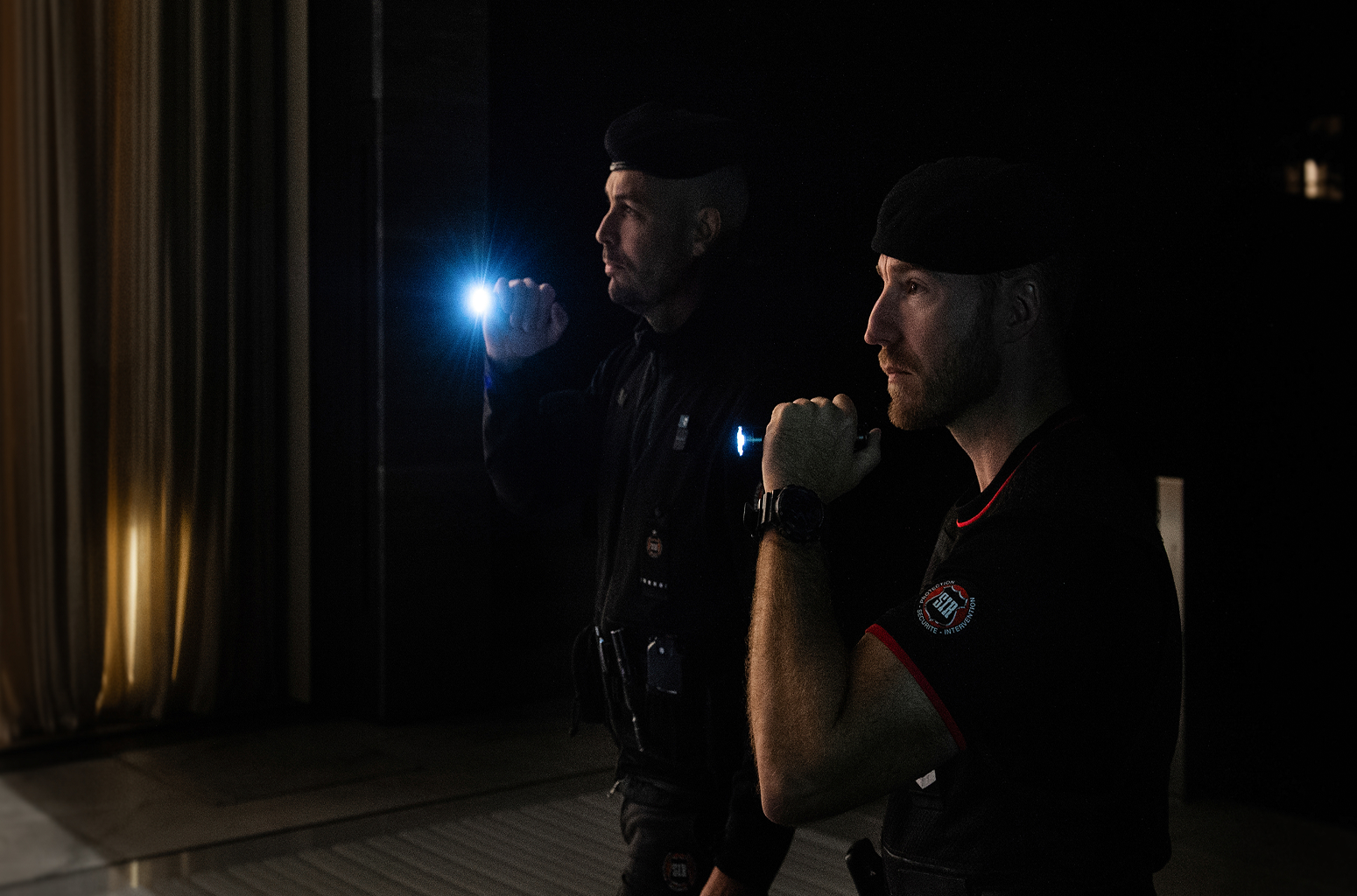
In a robbery committed under threat, the threat is most often used to take control of the situation within a few seconds. Studies link violence to the resistance the offender anticipates or encounters, though this remains a trend rather than a rule. For staff, the procedure remains the same: do not confront or pursue the perpetrators, and observe only if doing so does not put anyone in danger. The guidelines for our teams are based on the same principle.

After an incident
What to Do Next

In the coming days

In the coming weeks
A site that has already been targeted remains more vulnerable
Studies on repeat victimization show that a small proportion of businesses account for a large share of thefts and attempted thefts. An initial attempt—even a failed one—may have confirmed to the perpetrators that the location was vulnerable, or taught them how it responds.

Before the holidays, check what each alarm triggers
Our specialists can review your site with you and identify areas where the response time between detection and intervention can be reduced. Our certified alarm monitoring center and mobile response teams have been serving French-speaking Switzerland since 1978.